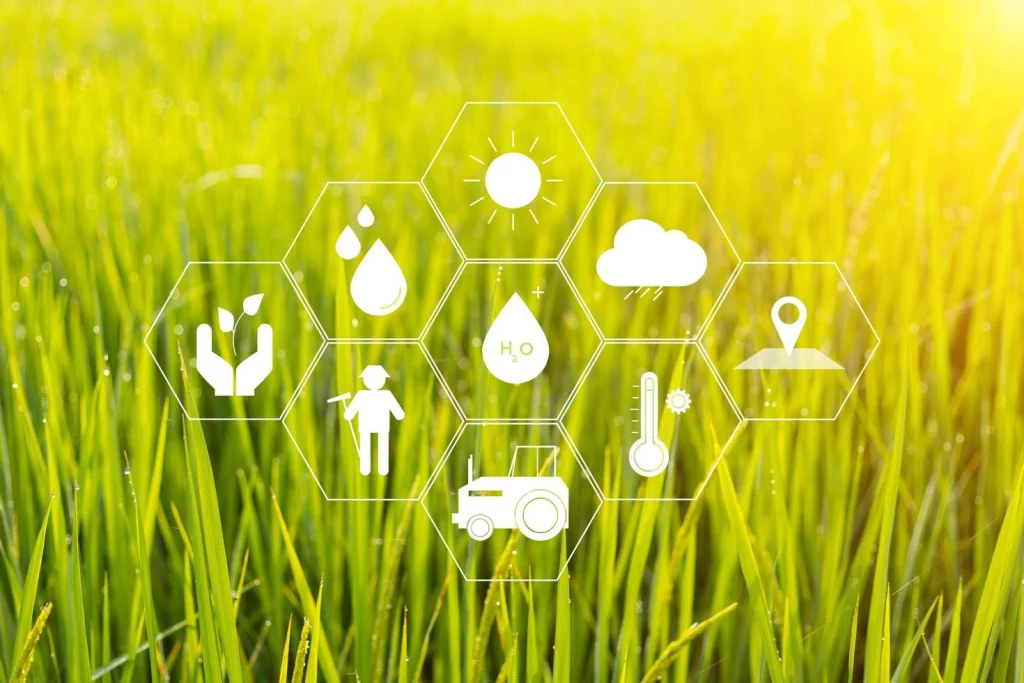
Agriculture has long been the backbone of economies worldwide. Traditional farming, grounded in culture, experience, and ancestral knowledge, remains the foundation of rural livelihoods. However, modern challenges such as climate change, resource depletion, and population growth demand more than conventional methods. The solution lies in understanding how to integrate technology with traditional farming—a union of time-tested wisdom and innovative tools that ensures long-term sustainability and productivity.
Content
Why Technology and Tradition Must Coexist
Farming today is very different from the past. Growers must feed more people while using fewer resources and protecting the environment. Traditional farming offers a deep understanding of local ecosystems, while agricultural technology provides data-driven accuracy and efficiency. Combining these approaches:
Increases crop yields without exhausting land or water
Reduces manual labor and human error
Enables climate-smart decisions
Supports sustainable food production for the future
By embracing tools such as sensors, drones, and artificial intelligence (AI), farmers can enhance traditional practices instead of replacing them. This holistic model of sustainable agriculture is essential.
Benefits of Integrating Technology in Traditional Agriculture
1. Precision Farming
Precision farming uses GPS, IoT sensors, and satellite imaging to apply resources like water, fertilizers, and pesticides only where needed. This reduces waste, optimizes input use, and maximizes output. Traditional farmers can enhance their instincts with real-time insights, improving decision-making accuracy.
2. Smart Farming for Real-Time Monitoring
Smart farming technologies, such as soil moisture sensors and livestock trackers, enable 24/7 monitoring of crucial variables. Farmers can shift from reactive to proactive management—preventing diseases, optimizing irrigation, and improving animal health.
3. Digital Agriculture Platforms
Mobile apps and web platforms offer weather forecasts, crop planning guides, market prices, and community support. These tools empower farmers, even in remote areas, to make informed decisions and connect directly with buyers, bridging the digital divide.
4. Resource Optimization
Traditional irrigation methods often waste water. Modern drip irrigation and sensor-controlled systems reduce water use by up to 50%, preserving this vital resource. Similarly, smart fertilization prevents soil degradation by applying nutrients precisely when and where needed.
How to Integrate Technology with Traditional Farming: Practical Steps
Adopting technology does not mean abandoning traditional knowledge. Farmers can successfully merge the two by following these steps:
Start with Affordable, Impactful Tools
Begin with low-cost tech like:
Mobile weather and crop calendar apps
SMS-based advisory services
Digital soil testing kits
These are affordable and user-friendly, especially for communities with limited digital experience.
Use Data to Complement Experience
Farmers’ experience in reading crop and weather signs is valuable. When combined with sensor data and AI alerts, decision-making becomes more precise. For instance, sensors confirming soil moisture levels can help avoid unnecessary irrigation.
Adopt Drones and Satellite Imaging
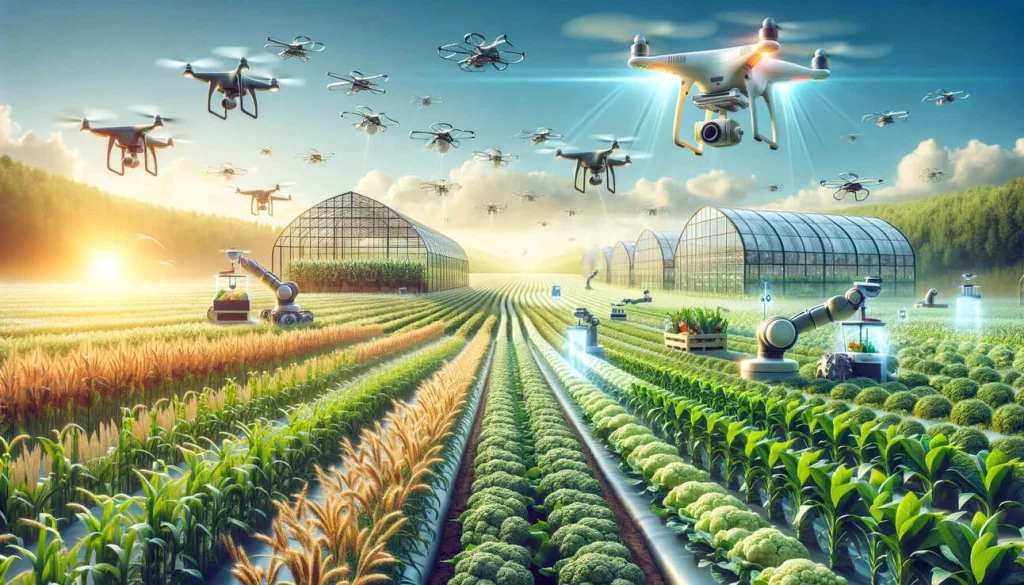
Drones provide aerial views of fields, identifying early signs of pests, diseases, or nutrient deficiencies. Satellite data tracks crop health trends over time, helping with long-term planning.
Implement IoT for Equipment and Irrigation
Smart tractors, automated irrigation, and greenhouse controllers reduce labor while improving efficiency. Many systems have mobile interfaces, making them accessible even in remote regions.
Preserving Heritage While Innovating
Traditional farming is closely linked to cultural practices and environmental care. Techniques like crop rotation, companion planting, and organic pest control can be enhanced with modern technology.
For example, drones and sensors ensure crop rotation benefits nutrient cycling, while pest identification apps support natural pest management without chemicals. This blend preserves traditions while boosting productivity.
Challenges in Adoption (How to Integrate Technology with Traditional Farming)
Despite the benefits, integrating technology faces hurdles:
Cost: Many farmers lack access to financing or subsidies for new tools.
Digital Literacy: Older generations may hesitate to adopt unfamiliar technologies.
Infrastructure: Poor internet connectivity limits digital tool use in rural areas.
Overcoming these requires cooperation among governments, NGOs, tech providers, and local communities. Training programs, subsidies, and rural internet expansion are crucial.
Future of Farming: A Balanced Path
Global food demand is rising, making agricultural transformation urgent. The key question is not whether to modernize farming but how to integrate technology with traditional farming in a way that respects both innovation and heritage.
Farmers combining conventional methods with precision tools, real-time data, and AI platforms will thrive in changing climates and markets. This approach promotes economic resilience, environmental protection, and social inclusion.
If you like to learn more about different technology, please visit our website funtechblog
Frequently Ask Questions
How might technology be useful in the future of traditional farming?
In the future, technology will play a crucial role in traditional farming by improving precision, boosting efficiency, and promoting sustainability. It will offer real-time insights, automate labor-intensive tasks, and optimize the use of resources to meet increasing food demands
How can technology help farming?
Technology supports farming by enhancing crop monitoring, enabling smart irrigation systems, minimizing waste, detecting diseases early, and connecting farmers to essential market information and resources.
How is an integrated farming system?
An integrated farming system involves combining various agricultural activities such as crop cultivation, livestock rearing, aquaculture, and agroforestry. This approach maximizes resource efficiency, increases overall productivity, and supports sustainable farming practices.
What technologies are used on the farm?
Farms commonly use technologies like GPS-guided machinery, drones for aerial monitoring, soil and moisture sensors, automated irrigation systems, weather prediction tools, and farm management software to streamline operations and improve yields.
Joel Broussard is an avid blogger on technology, gadgets, and other topics that interest him. He likes to write about his personal experiences with the latest tech products as well as offer advice for people who are looking to buy a new device. When he is not blogging you can find him at home playing video games or watching anime.